Local Roofing Services in New Orleans, Louisiana
Connecting homeowners in New Orleans, Baton Rouge, Lafayette, and Louisiana with roofing contractors for emergency leak repair, hurricane wind damage recovery, standing seam metal roofing, and full roof replacement systems.
Contact Center (Preview)
New Orleans HubContractor matching your roofing concerns with independent local contractors.
What homeowners ask about
Plain explanations of common roofing topics in Louisiana.
How a referral will work
This site is a referral service, not a contractor. Contact is not open yet. Once it is, this is the process.
- 1
Describe the roof problem
- 2
We note your parish and the type of work
- 3
An independent local roofer is asked to get in touch
- 4
You compare written estimates and choose
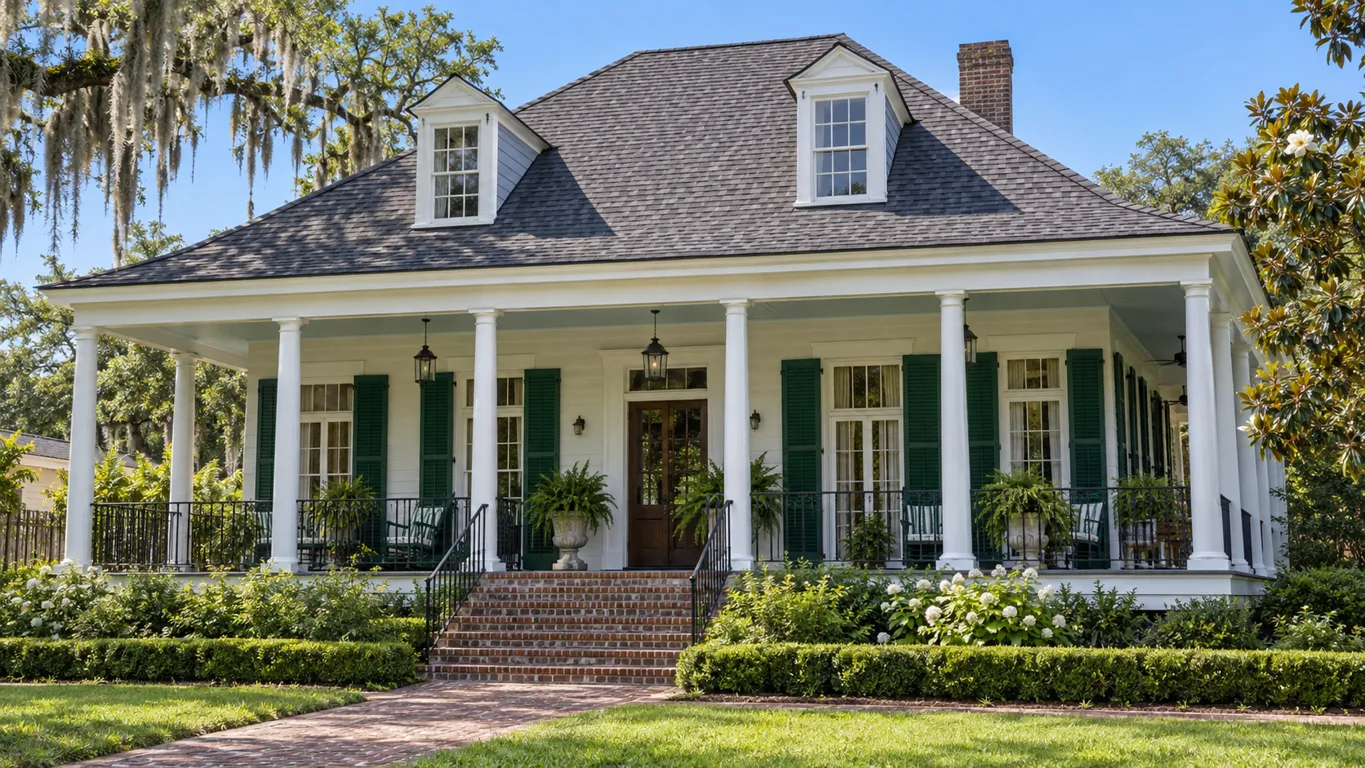
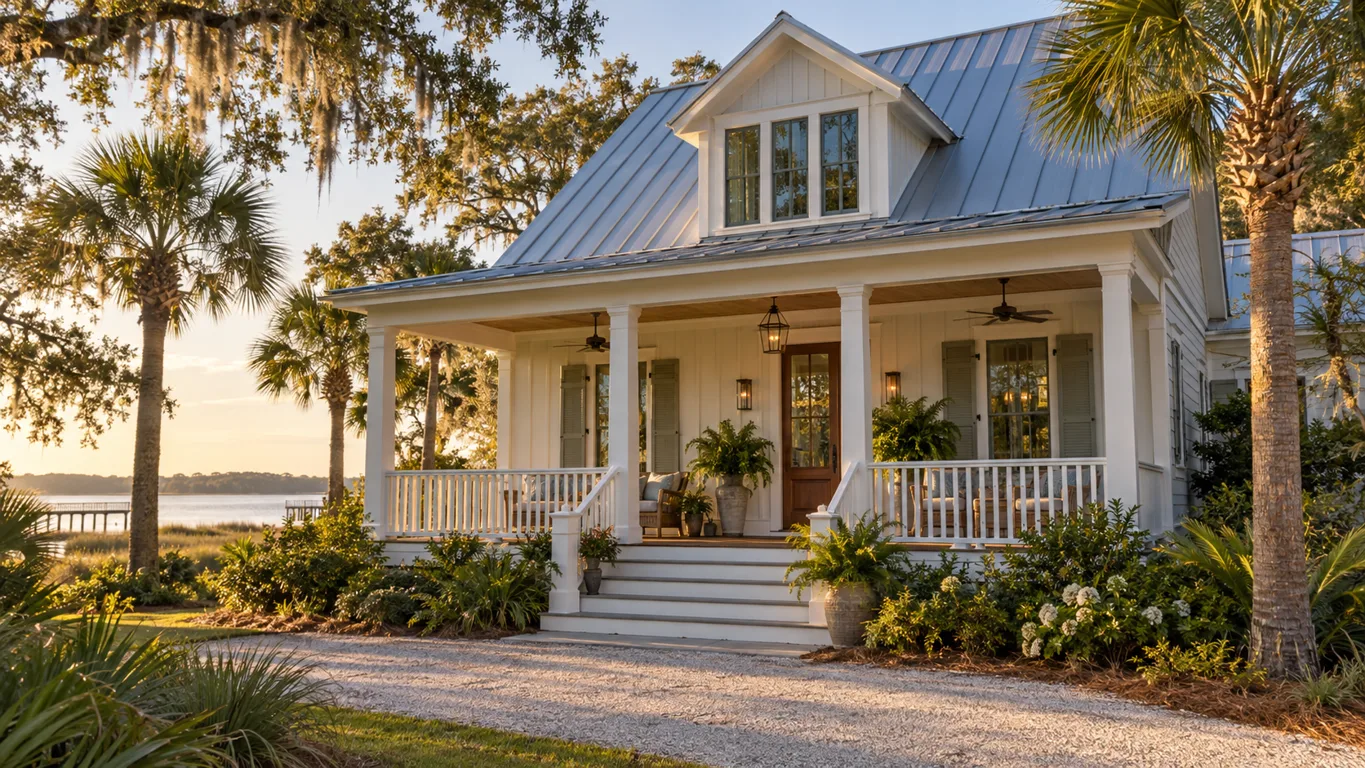
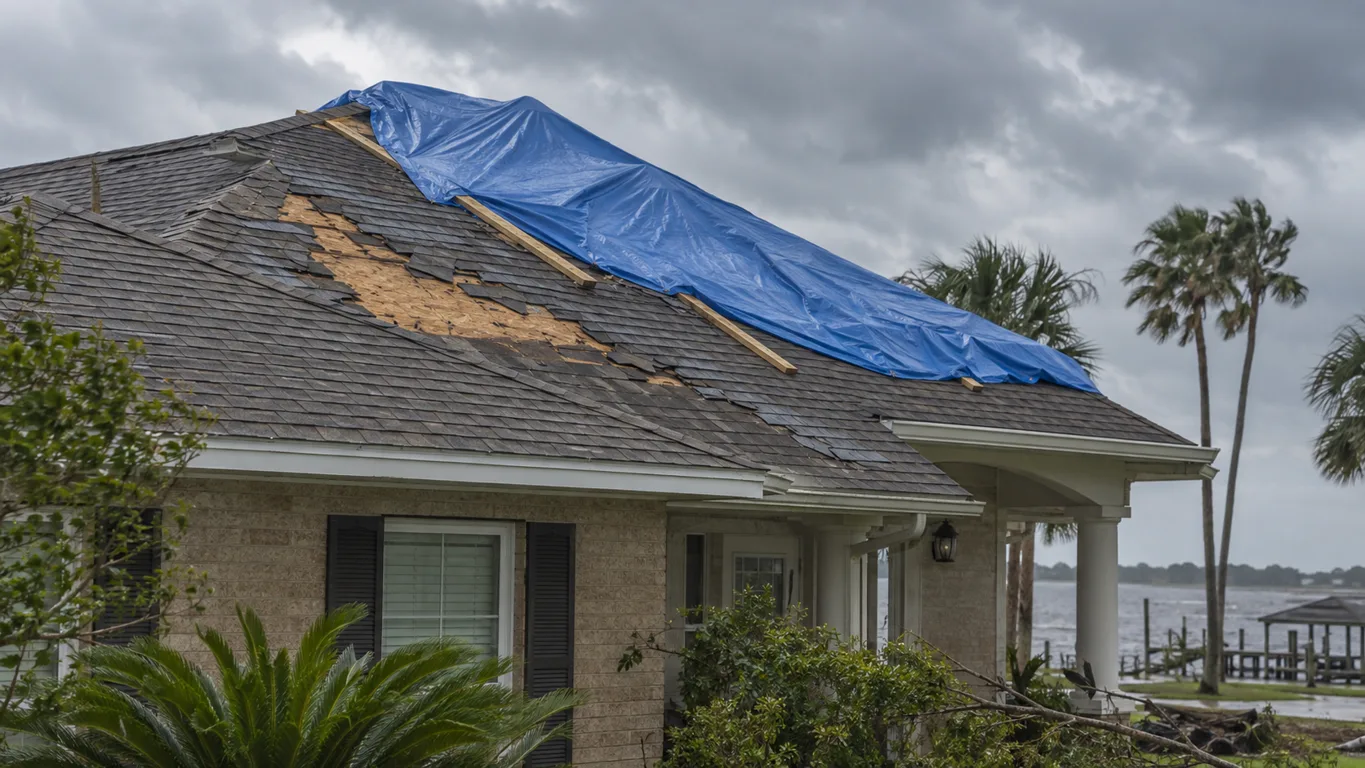
Photos on this site are AI-generated illustrations. They do not show real jobs, crews or customers.
Comprehensive Roofing Solutions for New Orleans and Louisiana
Maintaining a secure roof structure in New Orleans, Louisiana requires technical expertise tailored to the unique atmospheric challenges of the Upper Louisiana Gulf Coast. Located along Lake Pontchartrain and exposed to humid sub-tropical climates, seasonal rainfall, and severe tropical weather events, residential homes and commercial properties in New Orleans demand high-performance roofing materials and precise installation craftsmanship. Whether your property needs targeted roof repair services to stop active ceiling leaks or a complete roof replacement project using wind-resistant asphalt shingles or standing seam metal panels, Louisiana Roofing Company connects you with local contractors equipped for the job.
Roofing systems in New Orleans serve as the primary defensive barrier against solar heat gain, wind-driven moisture intrusion, and severe atmospheric uplift. When storm fronts move across Southeast Louisiana, vulnerable roof structures can suffer from missing asphalt shingles, damaged chimney flashing, or compromised attic ventilation. Our referral network provides access to comprehensive diagnostics, transparent project estimates, and inspection reporting across all neighborhoods in New Orleans, including Canal Street, Veterans Boulevard, and other neighborhoods.
Core Roofing Services
Professional roofing solutions engineered for long-term Gulf Coast durability.
Roof Repair Services
Targeted repair solutions for damaged shingles, leaking pipe boots, rusted valley flashing, and wind-lifted roof sections in New Orleans, LA.
Explore Repair Services →Roof Replacement
Complete tear-off and replacement using high-wind architectural shingles, synthetic underlayment, and fortified roof deck fastenings.
Explore Replacement Options →Roof Inspection Diagnostics
Comprehensive physical inspections evaluating decking structural integrity, shingle adhesion, flashing condition, and attic moisture levels.
Schedule Inspection →Emergency Roof Leak Repair
Local contractor matching for active water intrusion during heavy downpours, stopping ceiling damage and interior mold growth.
Fix Active Leaks →Metal Roofing Systems
standing seam and metal panel installations designed for high wind resistance and long service life.
Discover Metal Roofing →Identifying Common Roof Damage Symptoms in New Orleans
Homeowners in Southeast Louisiana often discover roof problems only after interior ceiling discoloration or water drips occur. However, structural roofing degradation begins long before water enters living spaces. Understanding early diagnostic warning signs allows property owners to schedule preventative repairs before costly timber decking restoration is required. If you notice any of the following symptoms, consult our detailed troubleshooting guides or connect with our referral team:
1. Active Water Intrusion and Ceiling Drips
Water pooling in attic spaces or dripping through light fixtures during heavy Gulf rains indicates breached underlayment or damaged flashing around roof penetrations. Read our leaking roof diagnostic guide for step-by-step containment instructions.
2. Missing, Curled, or Creased Shingles
High wind gusts associated with coastal thunderstorms can lift thermal seal strips, tearing asphalt shingles away and exposing bare wood decking to moisture rot. Check our guide on missing shingle repair methods.
3. Brown Ceiling and Wall Stains
Ring-shaped yellow or brown water stains on drywall ceiling panels signal slow, continuous moisture accumulation originating from vent pipe boots or valley flashing breaches. Explore ceiling water stain causes.
Selecting the Right Roofing Material for Gulf Coast Conditions
Choosing the correct roofing material involves balancing upfront material investment against long-term wind resistance, thermal efficiency, and expected lifespan. In New Orleans, Louisiana, roofing systems are subjected to high ultraviolet radiation, extreme humidity, saltwater atmospheric spray, and potential hurricane-force wind loads. Below are the primary roofing systems supported by our network:
Architectural Asphalt Shingles
Ideal for residential roofs in New Orleans seeking high curb appeal and economical installation.
Read Shingle Material Guide →Standing Seam Metal Roofing
Offers strong hurricane uplift resistance, no exposed screw washers, and a long service life.
Read Metal Roofing Guide →TPO and Flat Membrane Roofs
Thermoplastic Polyolefin (TPO) heat-welded membrane systems providing solar heat reflectivity, chemical resistance, and watertight sealing for commercial low-slope roof structures.
Read Flat Roofing Guide →Technical Building Code and Engineering Standards in Louisiana
Roofing engineering in Louisiana must comply with the International Residential Code (IRC) and local building department wind-uplift requirements. In New Orleans, roof replacements require strict adherence to high-wind uplift fastening patterns.
Furthermore, roof valleys and eave margins demand self-adhering modified polymer underlayments (commonly designated as ice and water shields) beneath primary shingle layers. This elastomeric membrane seals around nail penetrations, forming an impenetrable barrier against wind-driven rain backing up under shingle laps. Drip edge metal flashing must be secured along rake and eave perimeters with a minimum 2-inch overlap, ensuring structural decking remains completely isolated from water migration and tropical storm deluge.
Local Microclimate Hazards and Roof Longevity in regional basin
The localized atmospheric conditions around New Orleans present unique challenges to building envelope performance. Positioned adjacent to Lake Pontchartrain and industrial facilities, regional residential roofs experience accelerated thermal cycling. Daytime shingle surface temperatures can surge past 160 degrees Fahrenheit under intense Louisiana sun, followed by rapid cooling during late-afternoon coastal thunderstorms. This thermal shock causes inferior roofing materials to warp, lose protective granule coatings, and crack prematurely.
High relative humidity year-round create ideal breeding grounds for Gloeocapsa magma—the blue-green algae responsible for black streaks on asphalt shingles. Qualified roofing contractors in our referral network specify algae-resistant shingle formulas containing embedded copper and zinc granules that release micro-ions during rain showers, inhibiting biological growth and preserving both shingle structural integrity and home curb appeal.
Commercial Low-Slope Membrane Engineering and Thermal Insulation Standards
Commercial structures, industrial complexes, and municipal facilities across New Orleans require specialized low-slope roofing systems capable of withstanding prolonged standing water and chemical exposure. Thermoplastic Polyolefin (TPO) single-ply membranes installed by contractors in our contractor network incorporate hot-air heat-welded seams that form a continuous waterproof barrier. TPO membranes can reflect a significant share of solar heat, significantly lowering building cooling loads and reducing energy consumption during hot Louisiana summer months.
Factory-tapered insulation panels create a minimum 1/4-inch per foot slope to direct storm runoff toward primary roof drains and perimeter scuppers, eliminating standing water ponding and helping extend roof membrane life.
Why Property Owners Rely On Our Referral Network
Delivering diagnostic accuracy, Local contractor matching, and transparent contractor matching across New Orleans, Louisiana.
Vetted Contractor Network
We partner exclusively with verified local roofing specialists who adhere to Louisiana building safety codes and local municipal permitting standards in Louisiana.
Physical Inspections
Contractors perform thorough physical assessments evaluating shingle adhesion, attic ventilation ratios, moisture GPP metrics, and structural decking deflection.
Transparent Itemized Pricing
Receive detailed written estimates outlining square footage scope, material brand options, underlayment grade, drip edge specifications, and labor warranties.
How the Louisiana Roofing Company Referral Process Works
A straightforward, transparent 4-step workflow connecting you with local roofing experts.
1. Contact Hotline
Call contact page or fill out our online request form describing your roof concern.
2. Local Assessment
A qualified local contractor arranges a physical roof and attic inspection at your New Orleans property.
3. Scope Review
Review an itemized proposal detailing material choices, repair vs replacement scope, and projected timeline.
4. Quality Execution
Independent specialists complete your roofing project according to Louisiana building code and wind standards.
Coastal Weather and Hurricane Preparedness in New Orleans
New Orleans's geographical location along the Gulf Coast exposes residential and commercial structures to severe weather hazards including tropical storms, hurricanes, high atmospheric humidity, and intense summer solar heat. Tropical storm activity in the Gulf of Mexico regularly subjects roofing assemblies to sustained wind speeds exceeding strong winds and heavy rain. Under these severe conditions, minor roof vulnerabilities—such as unsealed starter shingle strips or deteriorating chimney flashing—can rapidly evolve into catastrophic interior flooding.
To withstand Southeast Louisiana weather hazards, roofing contractors recommended through our network install high-wind uplift assemblies. For homeowners seeking storm protection, standing seam metal roofing offers an unyielding barrier against extreme wind loads. Learn more about post-storm recovery by reading our storm damage roof guide.
New Orleans and Louisiana Service Areas
Connecting property owners across Southeast Louisiana with local roofing contractors.
Understanding Roofing Pricing Factors in New Orleans
Calculating roof repair or replacement costs depends on multiple job variables rather than flat-rate estimates. Explore our dedicated cost guides for transparent pricing breakdowns:
Roof Repair Cost Breakdown
Learn about typical repair price variables for pipe boots, flashing repairs, and shingle patching in Southeast Louisiana.
View Repair Costs →Roof Replacement Cost Guide
Analyze total replacement pricing per square foot across architectural shingles, synthetic underlayments, and decking repairs.
View Replacement Costs →Metal Roofing Investment Guide
Evaluate the initial material investment versus long-term value and wind resistance ROI of standing seam metal roofs.
View Metal Costs →Frequently Asked Questions
Answers to common inquiries about roofing repairs and replacements in New Orleans, LA.
How do I know if my New Orleans roof needs repair or full replacement?
If your roof is relatively new and experiencing isolated damage—such as a few wind-damaged shingles or a leaking pipe boot—targeted roof repair is usually sufficient. However, if your roof shows widespread granule loss or sagging decking, or is near the end of its expected life, a full roof replacement is recommended for long-term structural protection.
What roofing material is best suited for coastal wind and storms in Louisiana?
Standing seam metal roofing is often chosen for wind resistance; check the rating of the specific product. Read our metal roofing guide for details.
How quickly can a local technician respond to an active roof leak?
Our contact page connects homeowners with nearby contractors offering contractor matching.
How does attic ventilation affect roof longevity in humid New Orleans?
Proper attic ventilation prevents solar heat buildup (which bakes asphalt shingles from underneath) and exhausts trapped humidity, preventing timber rot and mold. Check out our roof ventilation guide for ideal intake-to-exhaust ratios.
Ready to Secure Your New Orleans Roof?
Connect directly with experienced local roofing contractors for fast inspections, leak repairs, and full system replacements.